
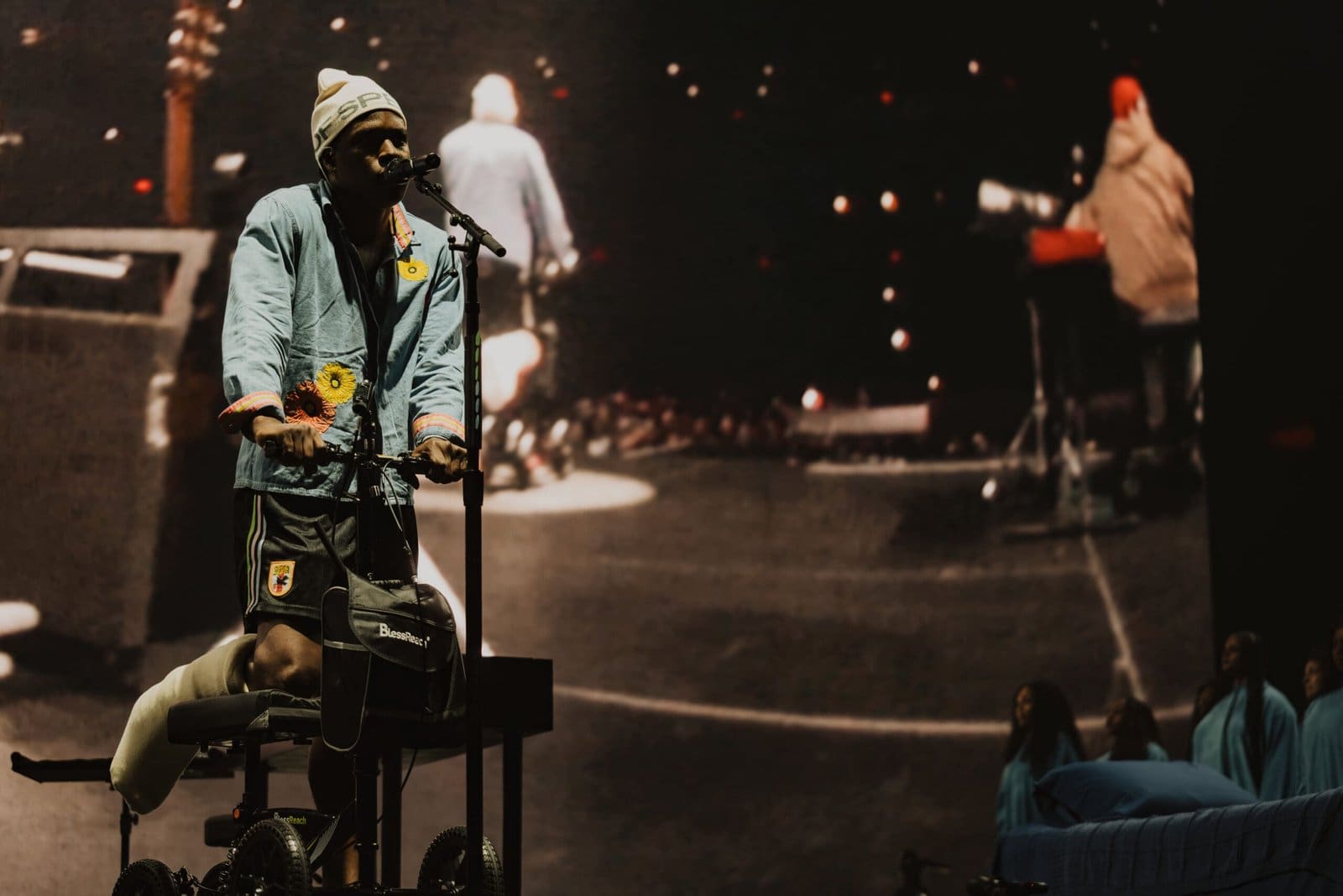
Daniel Caesar opened his Son of Spergy Tour at Mortgage Matchup Center in downtown Phoenix on Thursday night, bringing the first audience of the tour into a performance that felt less like an arena concert and more like stepping into a dream.
Before taking the stage, a cell phone video played across a massive LED screen. In it, Caesar explained that he had recently injured his leg and would likely spend much of the evening sitting—not out of laziness, he joked, but because of the injury.
What could have felt like a setback instead became part of the evening’s quiet intimacy. Moving from propping his leg on the scooter or sitting behind the keyboard, Caesar carried the performance with an ease that never drew attention away from the music itself.
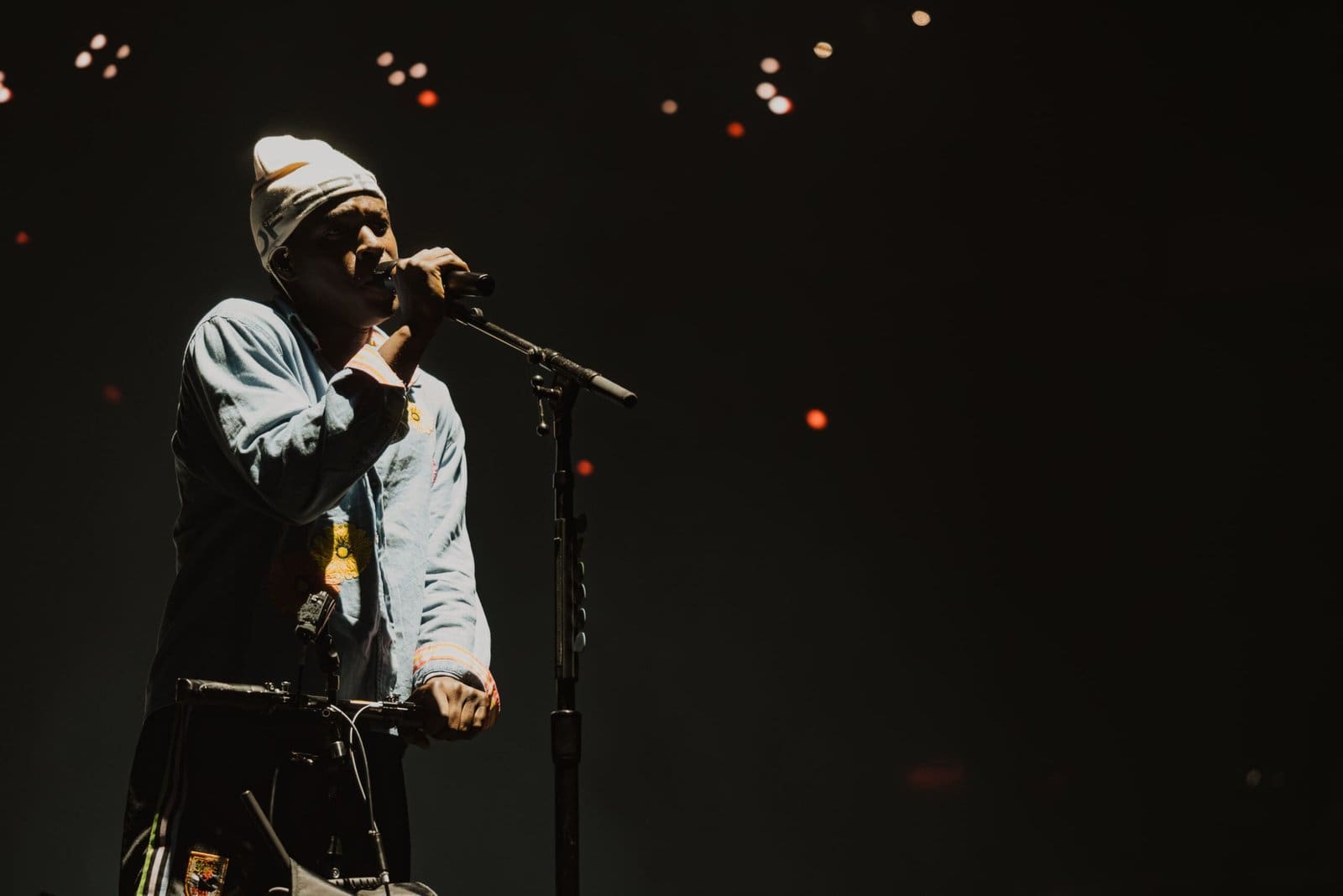

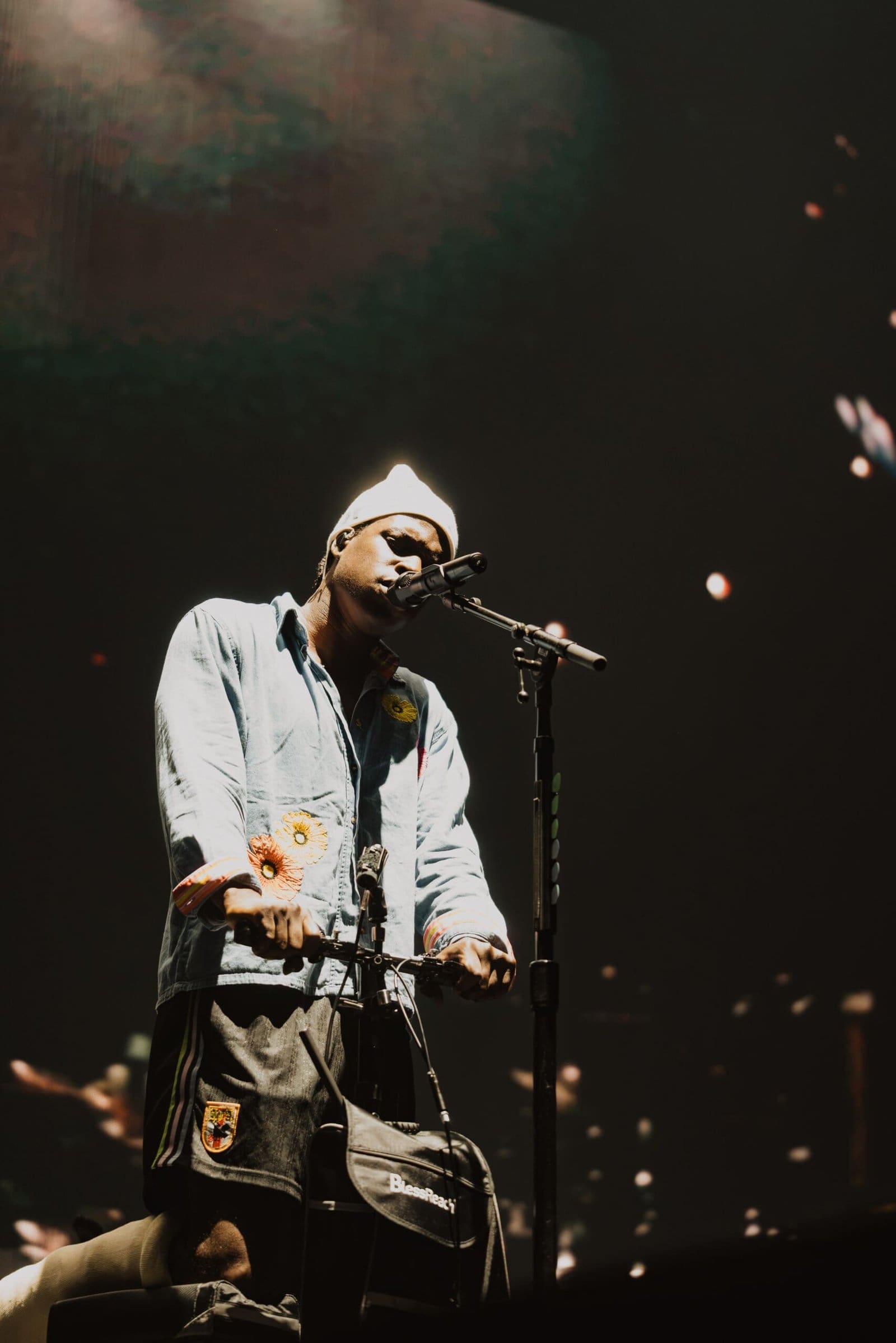






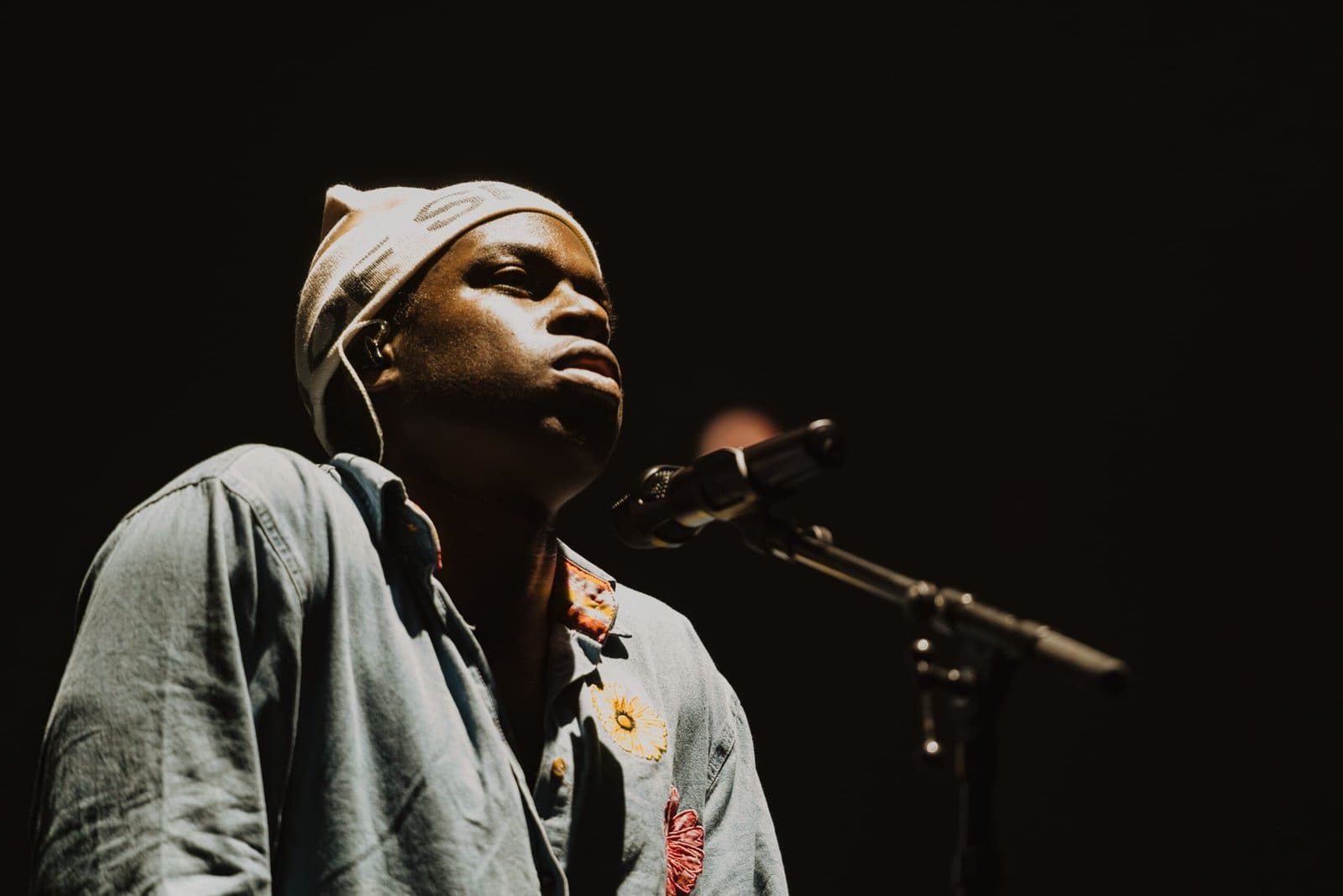


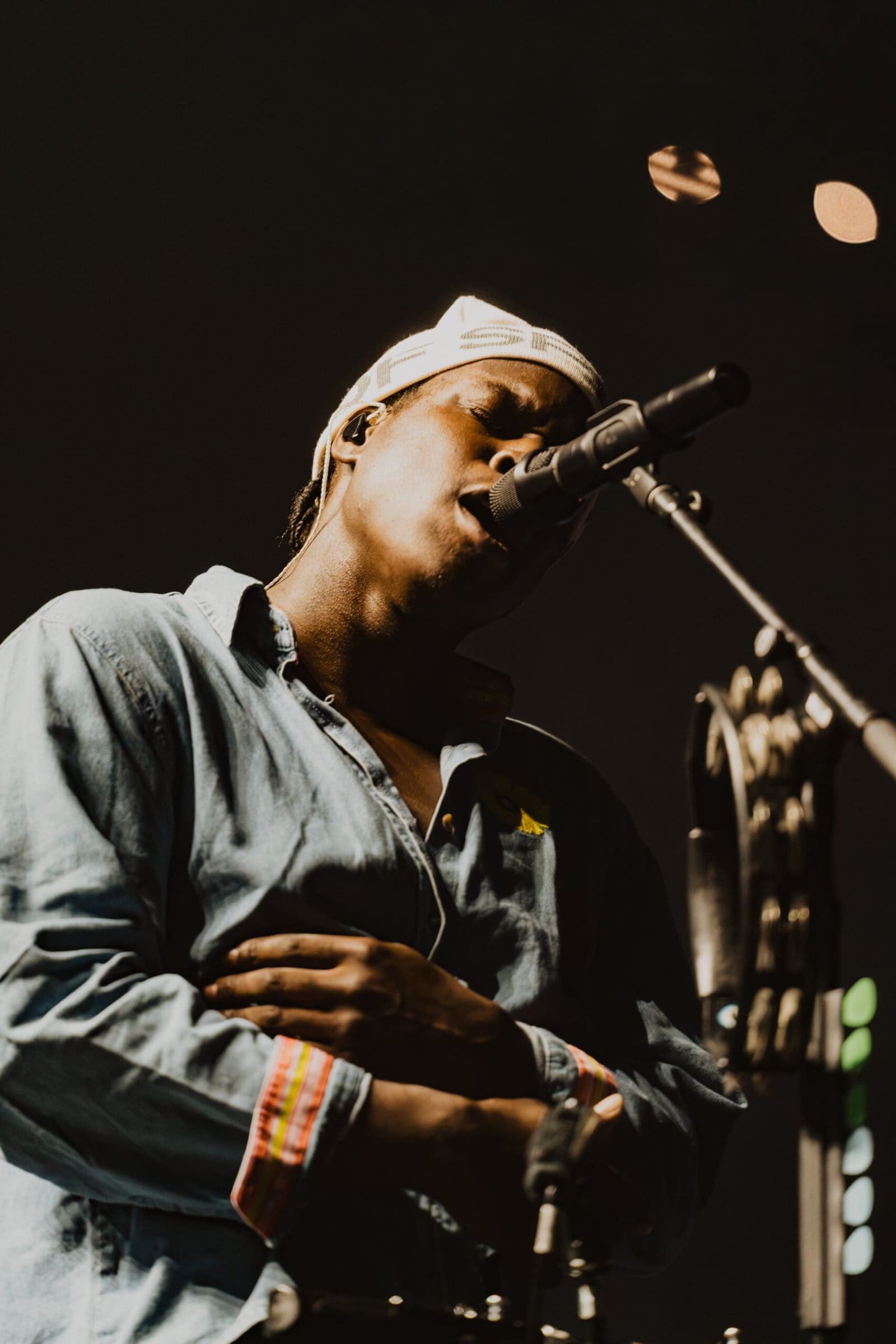



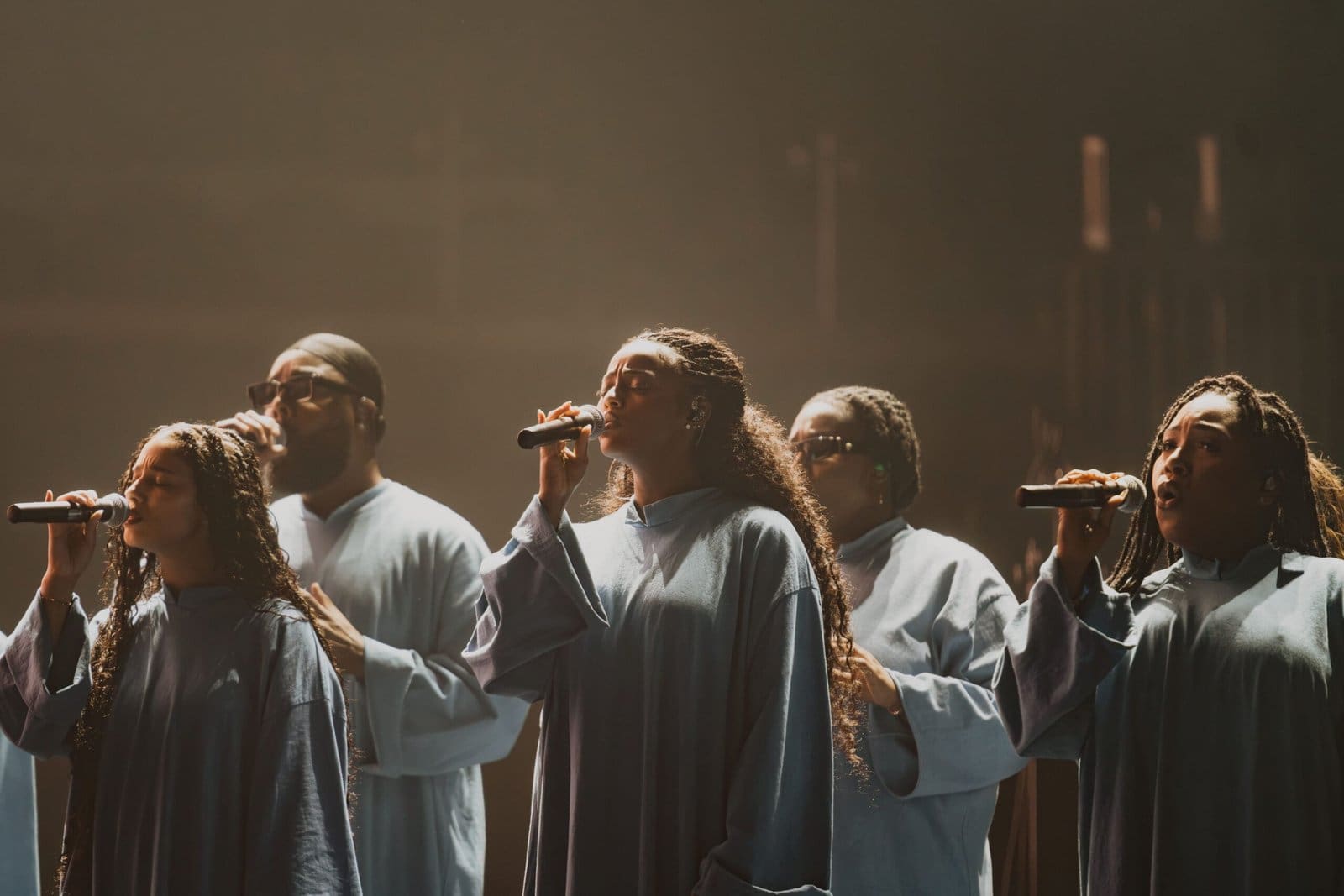


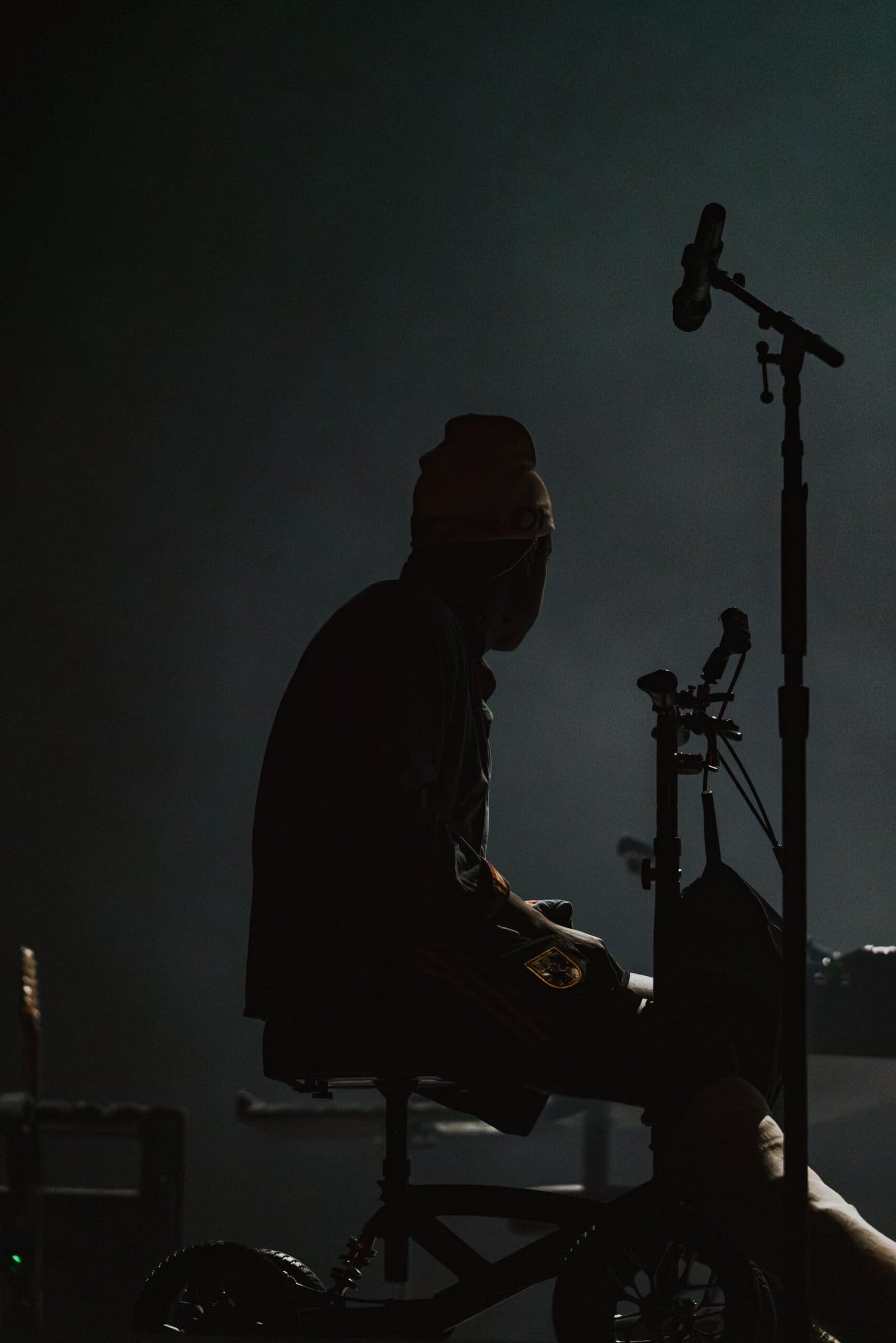
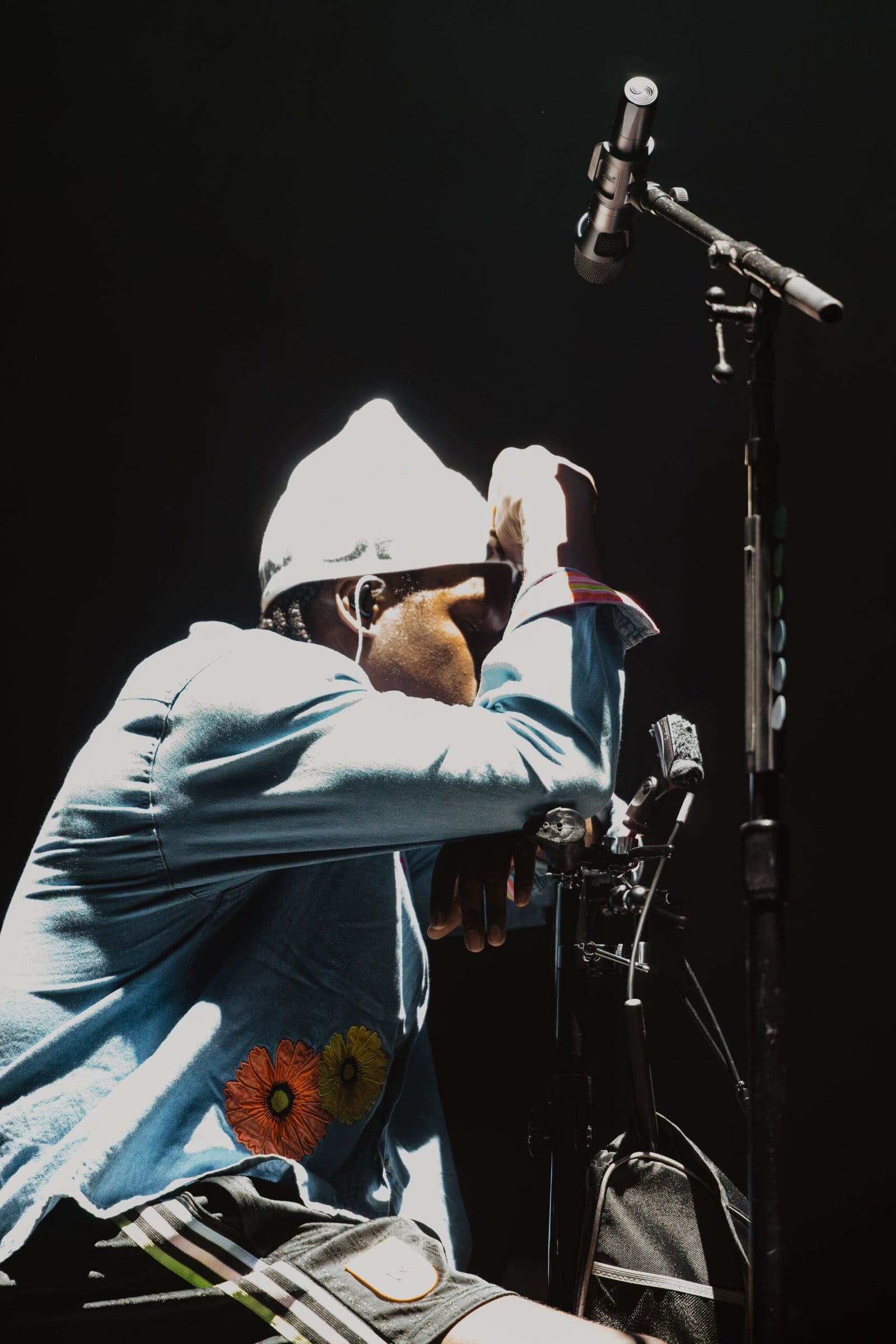
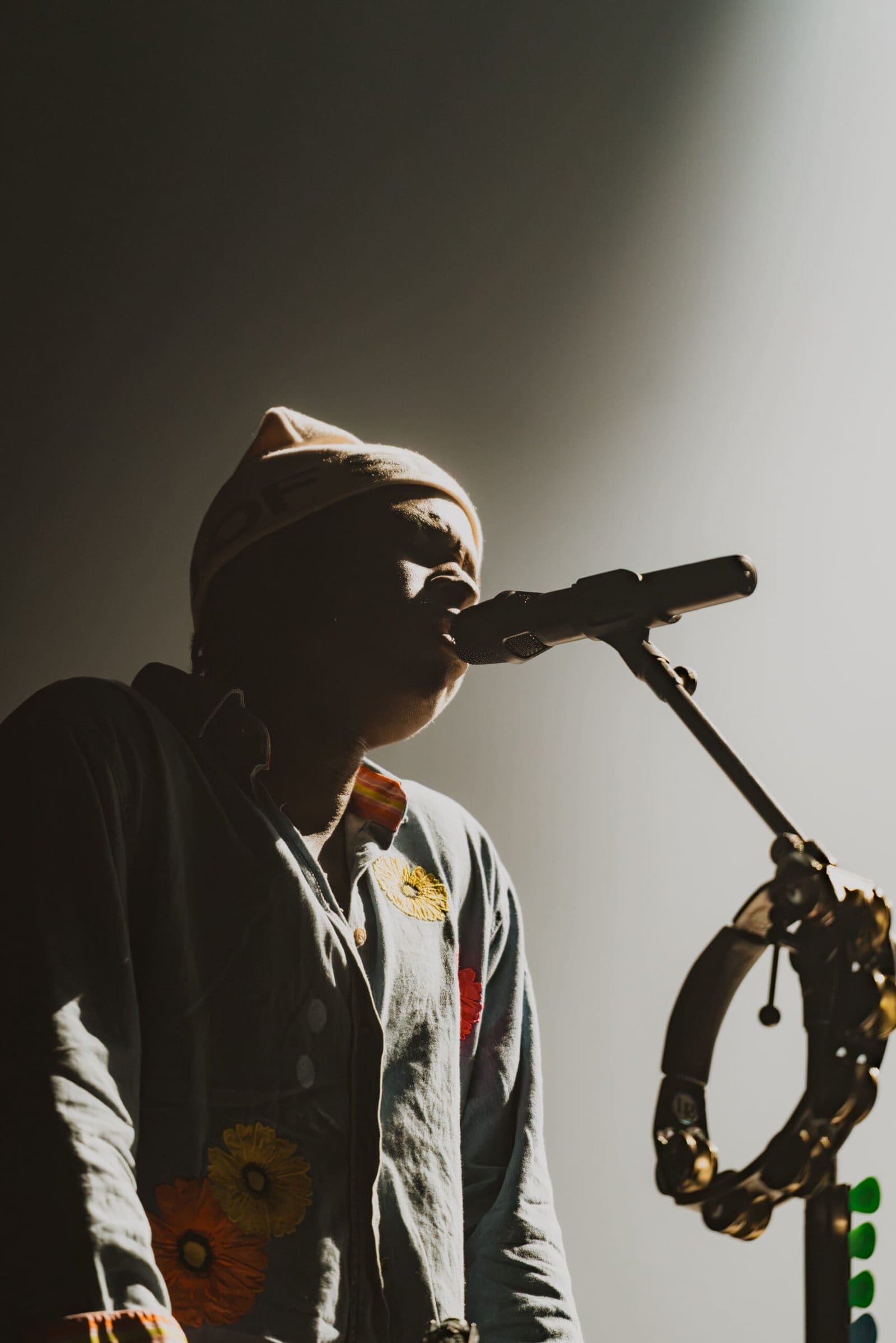
The stage reflected that same restraint. A towering screen stretched across the back of the stage, often displaying live footage captured by a cameraman weaving among Caesar and his band and the choir. Rather than relying on elaborate visuals, the live feed pulled the audience closer, offering an intimate perspective inside a performance taking place on one of the biggest stages of Caesar’s career.
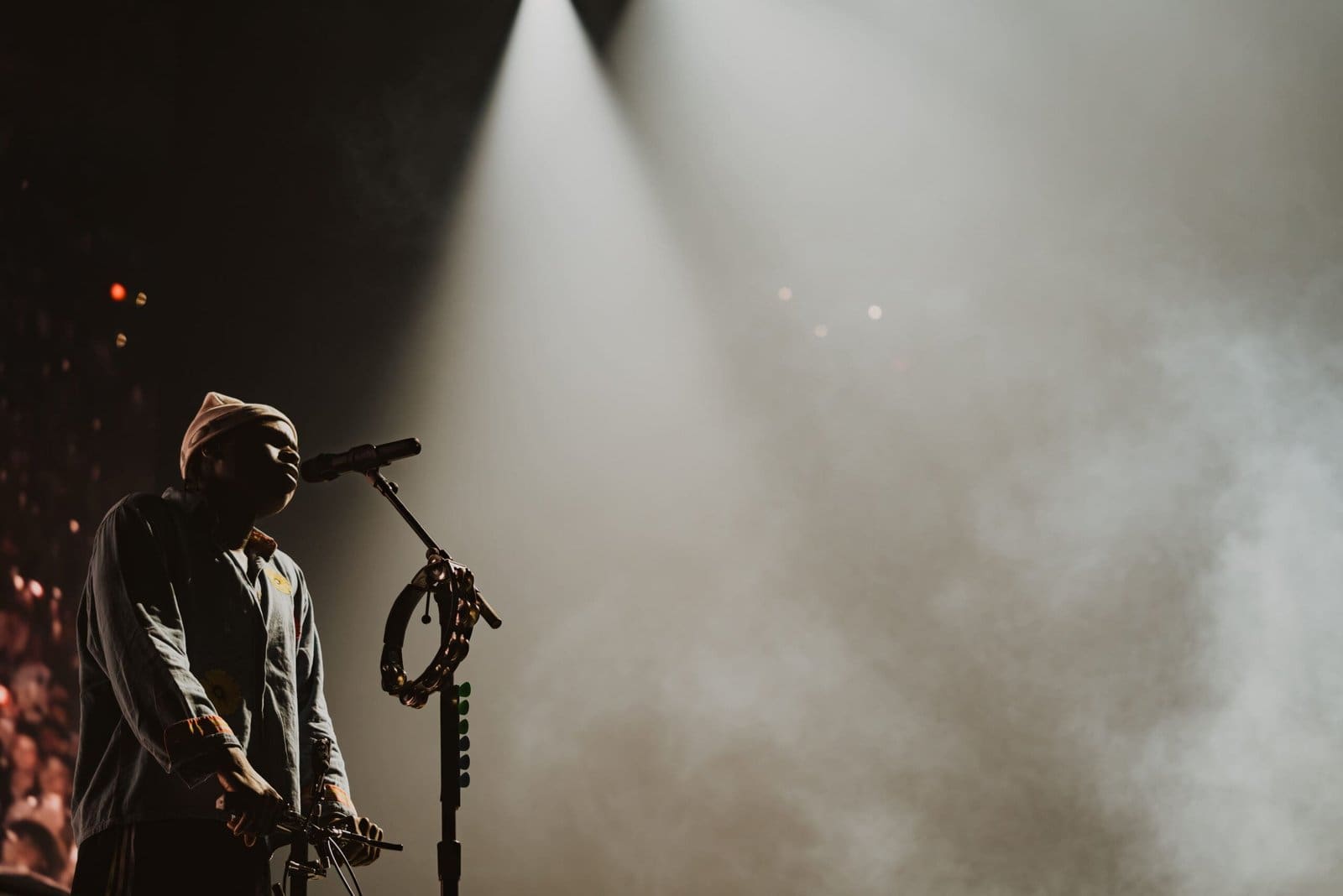
Surrounded by his band, a live choir and even a bed incorporated into the set, Caesar performed within a haze of rolling fog that transformed the stage into something dreamlike. The production never competed with the songs- instead, it amplified their tranquility, allowing each moment room to breathe.
The show arrives at an important point in Caesar’s career. Son of Spergy finds the Grammy-winning singer looking inward, exploring reconciliation with his father, faith, family and the ways we inevitably become the people who raised us. The album marks a departure from the broader sonic experimentation of NEVER ENOUGH, favoring organic instrumentation, gospel influences and deeply personal songwriting.
That introspection translated naturally to the stage. New songs blended effortlessly alongside longtime favorites, creating a set that felt less divided between “old” and “new” material than connected by a common emotional thread. Whether seated behind the piano or standing at center stage, Caesar never seemed interested in commanding the room through spectacle, preferring to invite the audience into it.
The sweeping choir, cinematic lighting and towering screen made the show feel expansive, while Caesar’s voice kept it deeply personal. For an artist now playing arenas on his first headlining arena tour, it was a surprisingly understated performance. Rather than trying to make the room feel bigger, Daniel Caesar somehow made it feel smaller, creating the illusion that more than 10,000 people had gathered for something remarkably special.
